Meet the neighborhoods.
Choose a shoreline, a streetscape or a cultural starting point.
Miami Beach and mainland Miami offer different settings, and moving between them takes planning. Start with one neighborhood that suits your interests: South Beach for architecture and the Atlantic, Brickell for an urban perspective, Wynwood for street art, Downtown for the bayfront and cultural visits, or Little Havana for Calle Ocho. These guides help you choose a comfortable pace without promising business availability or travel times.
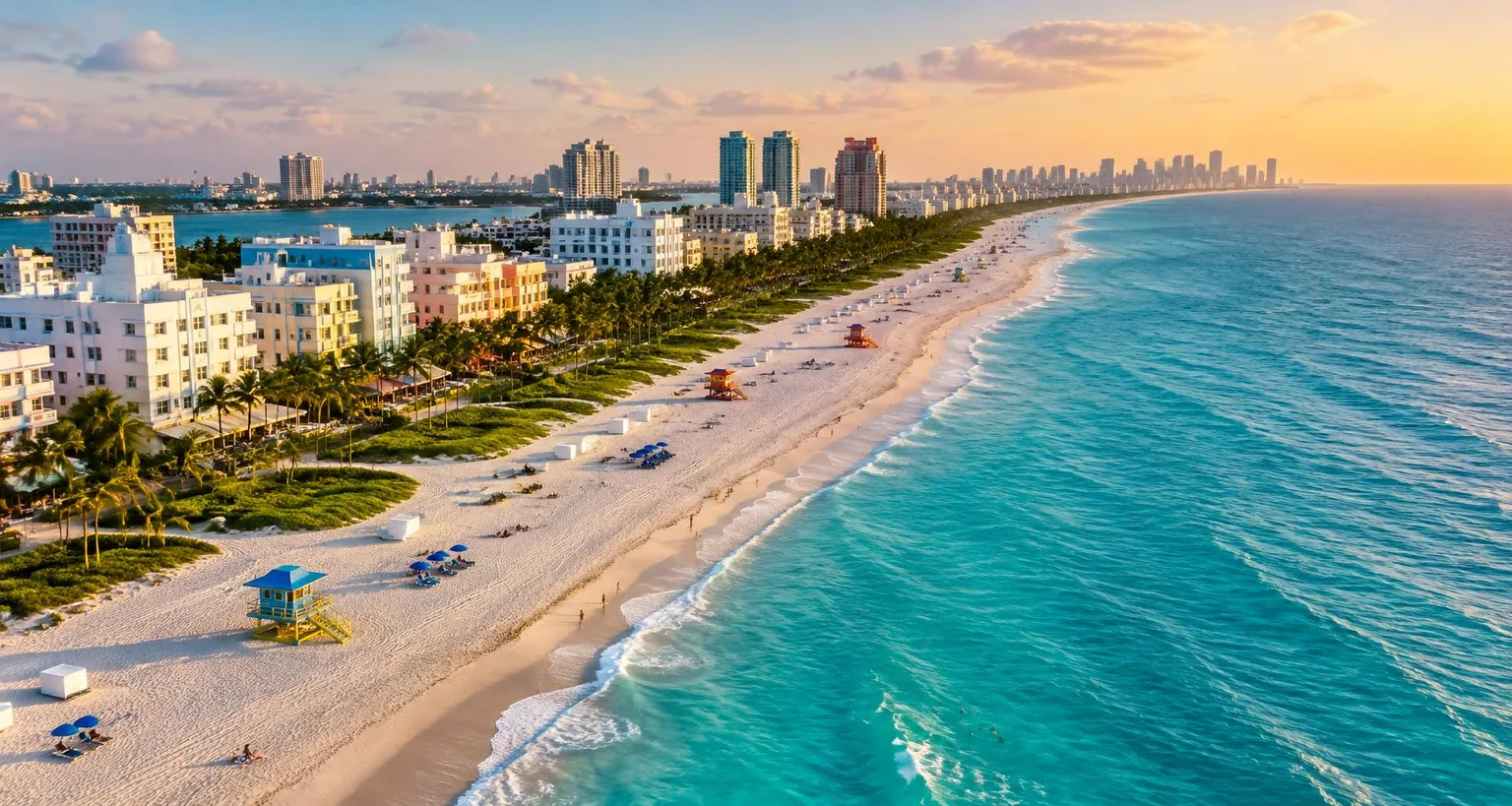
South Beach
South Beach offers two very different ways to spend a day: looking closely at the streetscape and slowing down beside the Atlantic. Give both some space rather than treating the neighborhood as a checklist.
READ NEIGHBORHOOD GUIDE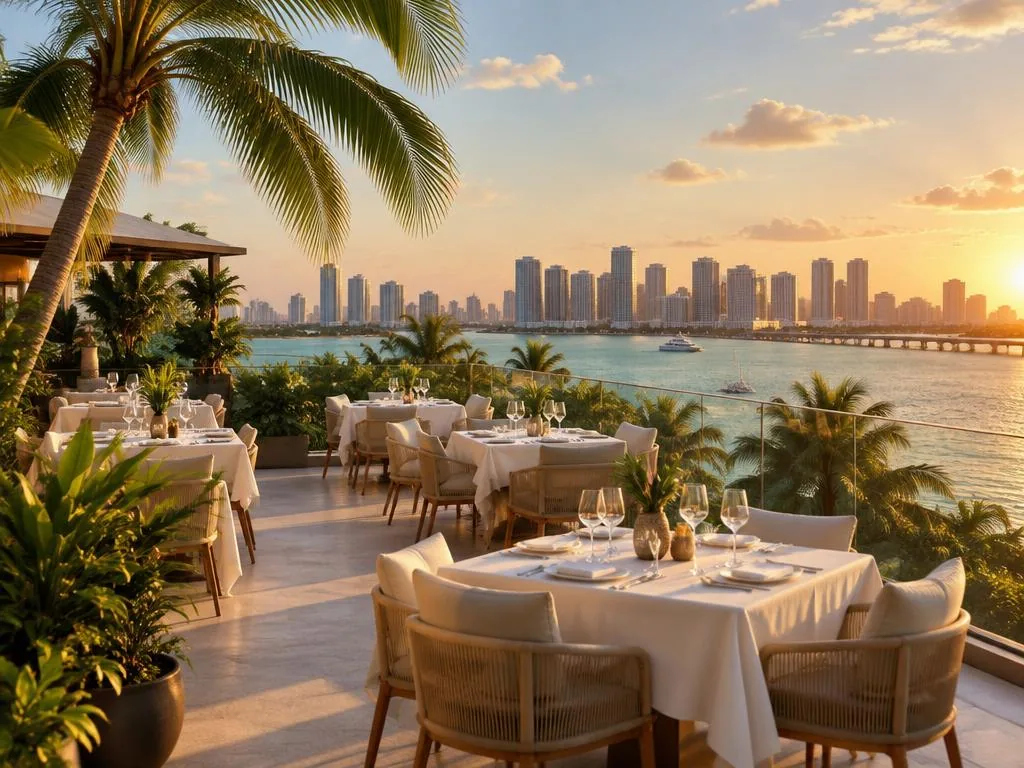
Brickell
Brickell is an urban counterpoint to Miami’s beach neighborhoods: vertical, busy and built around the rhythms of city life. Come for the skyline setting, and give yourself time to discover it at street level.
READ NEIGHBORHOOD GUIDE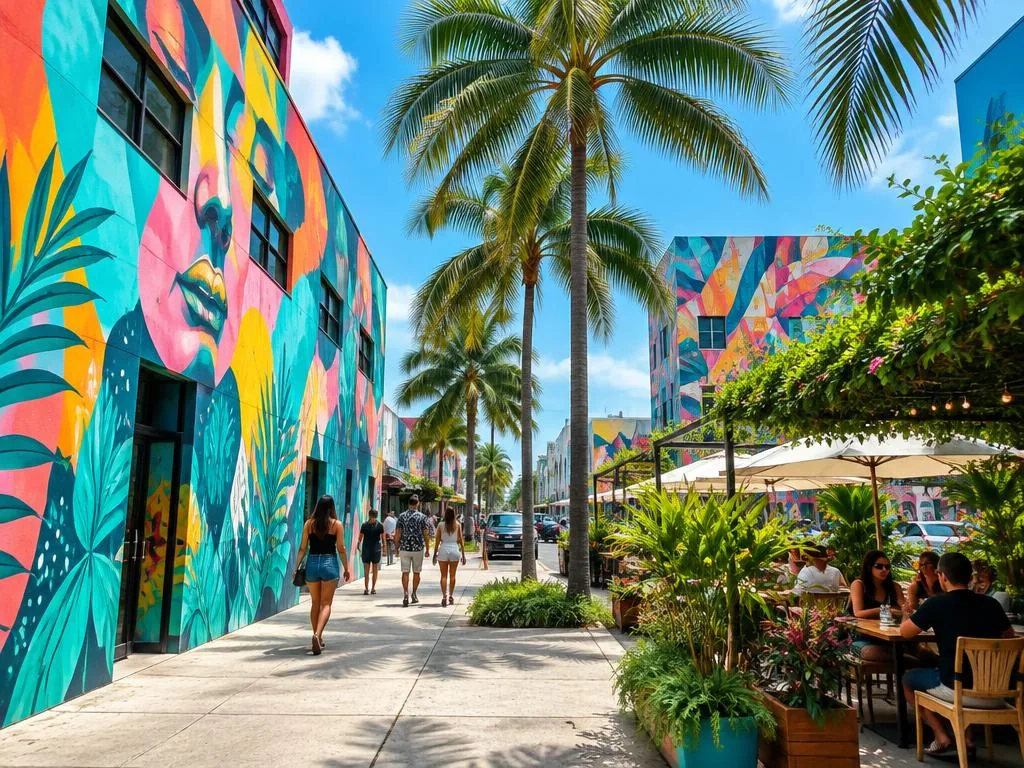
Wynwood
Wynwood invites you to follow color rather than a rigid itinerary. Its former industrial setting has become a creative district, where a neighborhood walk and a visit to an art space are related but different experiences.
READ NEIGHBORHOOD GUIDEDowntown Miami
Downtown Miami offers a mainland view of the bay and a different rhythm from the beach. It works best when you choose a clear focus: an outdoor pause, a cultural visit or a short introduction to the city center.
READ NEIGHBORHOOD GUIDE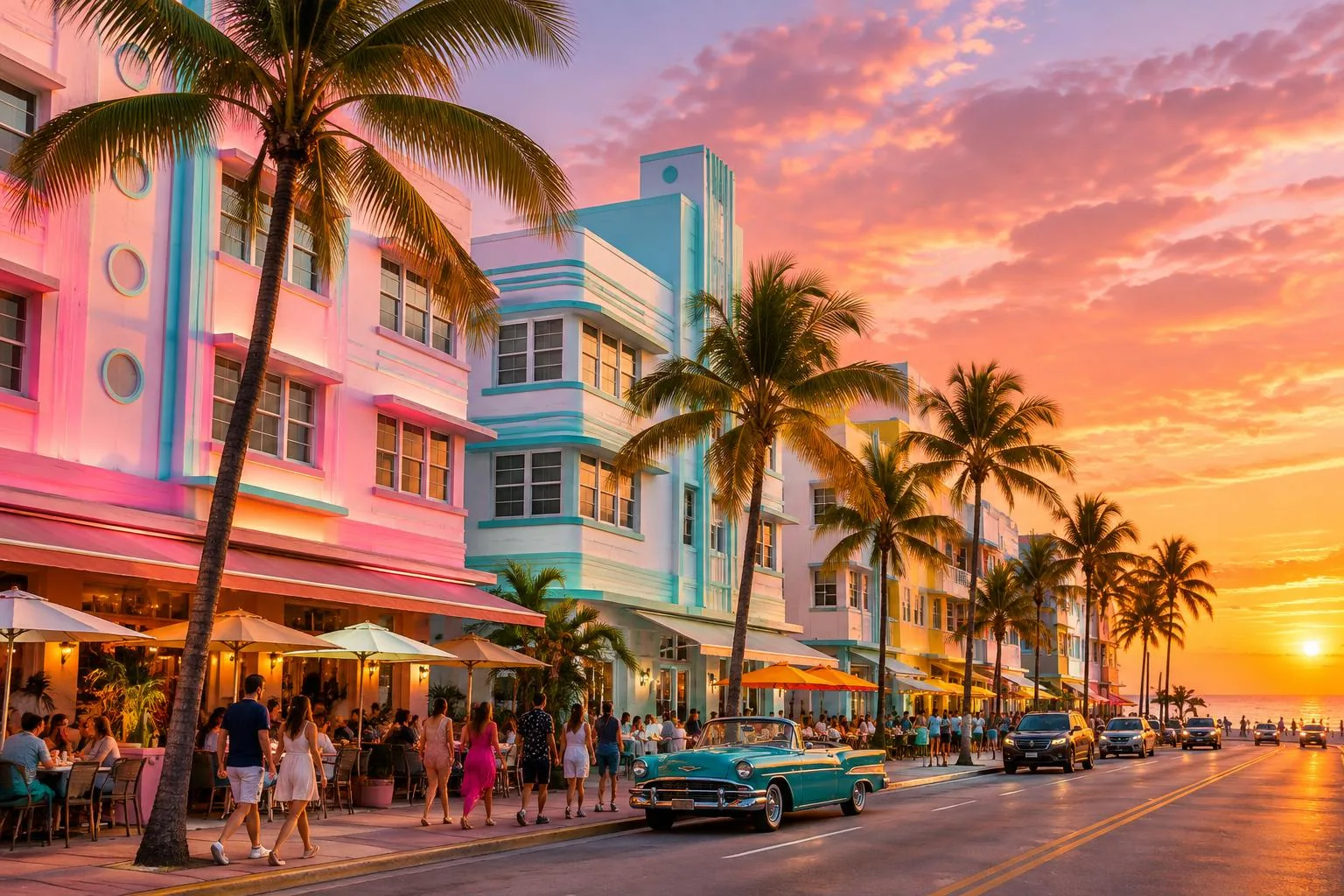
Little Havana
Little Havana is best approached as a living neighborhood, not a staged attraction. Its Cuban heritage and street life invite a slower visit, where observing respectfully matters more than collecting a series of photographs.
READ NEIGHBORHOOD GUIDE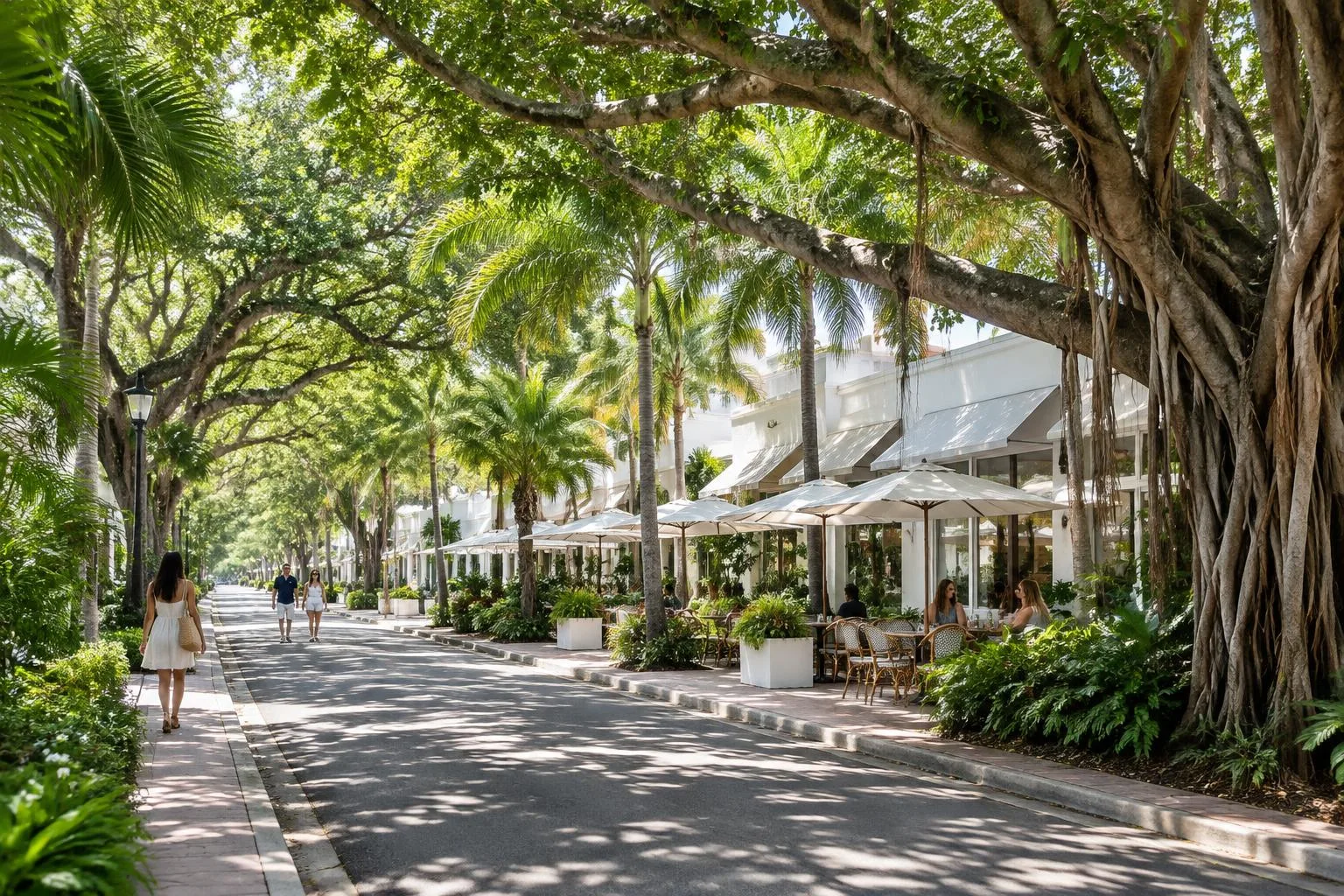
Coconut Grove
Coconut Grove feels slower and greener than Miami’s high-rise districts. Set along Biscayne Bay south of Brickell, it rewards a walk under the trees, a stop by the water and time with its history.
READ NEIGHBORHOOD GUIDE